

Insights
Diesel Fuel Injector Wear Symptoms: What Fleet and Marine Operators Should Watch For

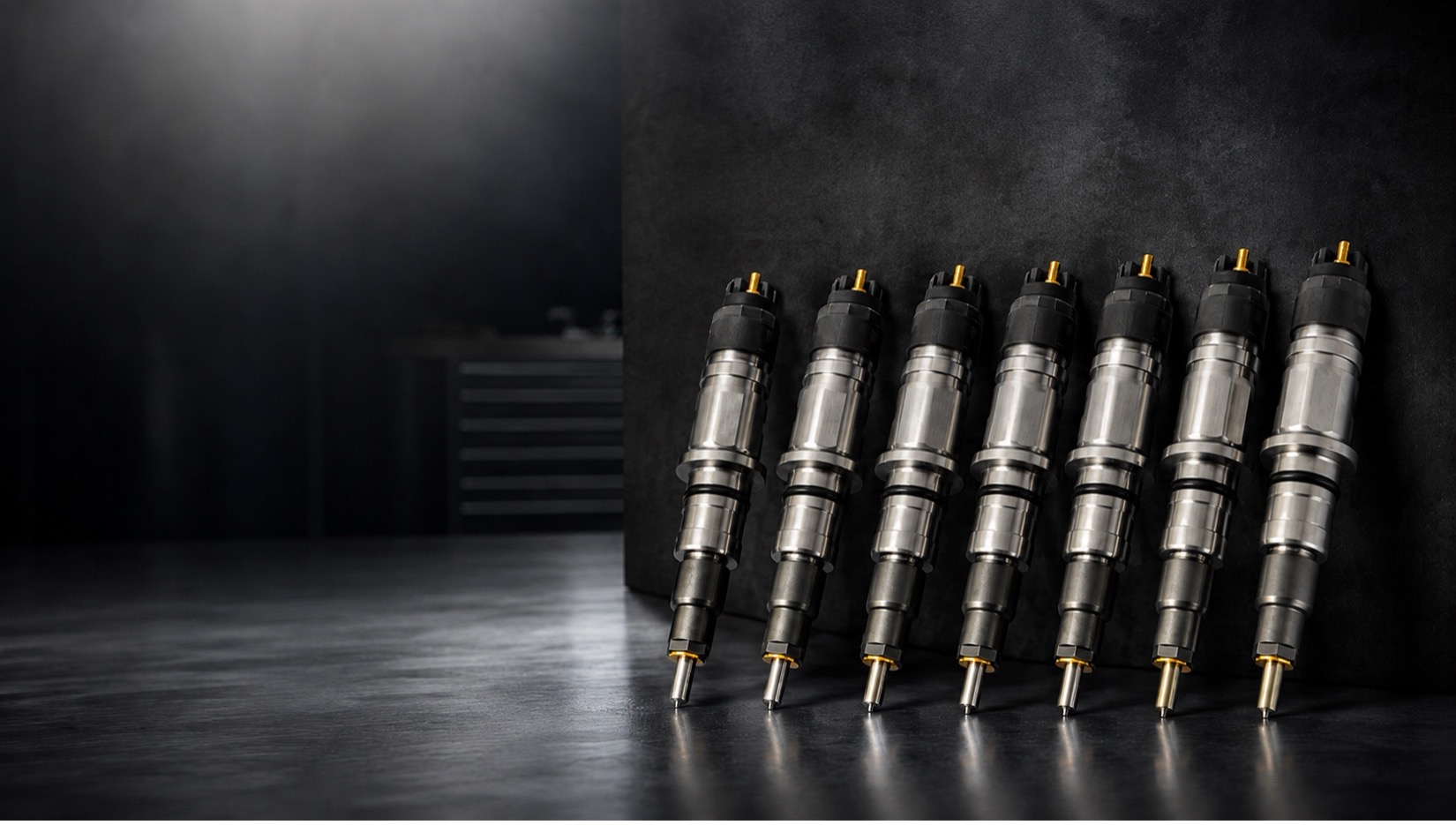
Table of Contents
Diesel fuel injector wear symptoms can be easy to overlook at first, but they often provide an early warning that combustion performance is starting to decline. A diesel engine only runs as well as its fuel injectors allow. These small components play a central role in combustion, controlling how fuel is delivered into the engine. As injectors begin to wear, you may notice changes in power, fuel economy and emissions.
For fleet managers running trucks or heavy machinery, and marine engineers keeping vessels dependable at sea, injector problems do not always start with an obvious warning. They may first appear as a rougher idle, higher fuel consumption or a noticeable loss of power under load. Recognising these signs early gives operators a better chance to schedule inspection and repairs before the problem leads to further component damage or an unexpected breakdown.
Understanding the Role of Diesel Fuel Injectors
How Injectors Deliver and Atomize Fuel
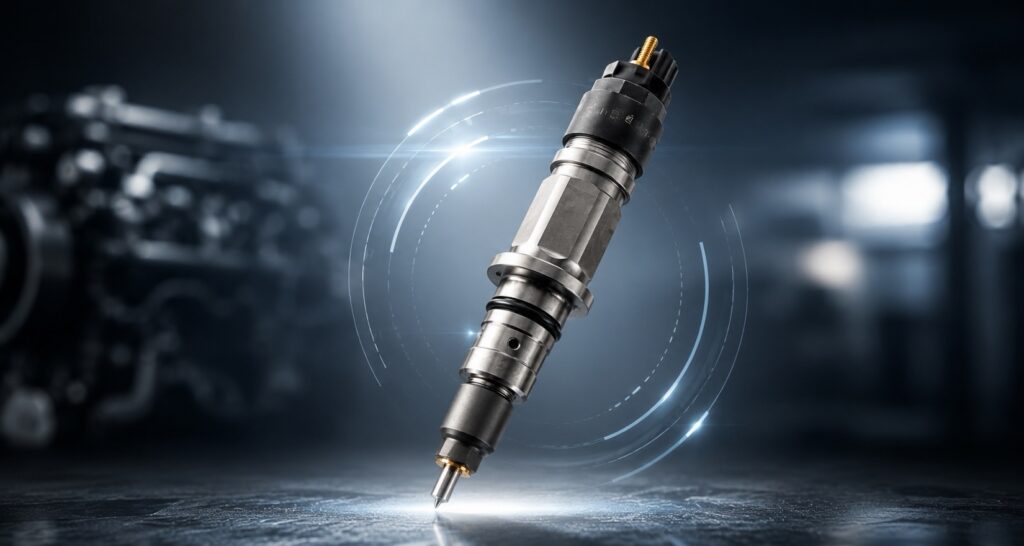
A diesel injector has a simple purpose: deliver fuel into the combustion chamber. In practice, it has to do this with a high level of precision. Fuel is forced through tiny nozzle openings and atomised into a fine mist, allowing it to mix properly with compressed air and burn efficiently.
The ECU controls when each injector operates and how much fuel is delivered during each cycle. If the spray pattern becomes uneven or the injector starts delivering too much or too little fuel, combustion quality can quickly suffer.
Why Precise Timing and Pressure Matter for Combustion
Atomisation is only part of the job. Fuel also needs to be injected at the right time, in the right quantity and at the required pressure. If any of these are off, combustion efficiency can suffer, potentially leading to reduced performance, increased fuel consumption or higher emissions.
Modern injectors are designed to work under extremely high pressure and within very tight tolerances. This makes fuel cleanliness particularly important. Contaminants can wear or damage internal injector components, affecting the spray pattern and shortening injector life.
Cummins Common Rail Systems vs. Bosch Fuel Injection Pumps
Many modern Cummins diesel engines use high-pressure common rail technology. A high-pressure pump supplies fuel to a shared rail, which acts as an accumulator before distributing fuel to each injector. This allows injection timing and fuel quantity to be controlled precisely according to engine operating conditions.
Cummins common rail injectors are available for operating pressures from 1,600 to 2,600 bar, with designs that minimise fuel leakage.
Bosch also produces common rail systems for demanding off-highway applications, with systems capable of operating at pressures of up to 2,000 bar.
If you’re maintaining a Cummins-powered machine or vessel, the exact pump and injector configuration will depend on the engine model and fuel system fitted.
How Injector Wear Quietly Undermines Reliability
Diesel Fuel Injector Wear Symptoms You Shouldn’t Ignore
Many forms of injector wear develop gradually, which is why the early signs can be easy to miss. Common diesel fuel injector wear symptoms include:
- A rough or uneven idle, sometimes felt as a slight shake
- Higher fuel consumption for the same workload
- Power loss or hesitation under load
- Harder starts or longer cranking
- Excess black or white exhaust smoke
- Knocking or rattling from abnormal combustion
You may notice just one of these symptoms at first. However, each can have several possible causes, so proper diagnosis is important before assuming the injector is responsible.
What Causes Injectors to Wear or Fail
Fuel contamination is one of the biggest risks. Tiny particles can damage an injector’s precision components and alter its spray pattern, while water can cause corrosion and reduce lubrication between moving parts. Microbial contamination and deposits can create further problems.
Poor filtration makes matters worse by allowing damaging contaminants to reach components built to extremely tight tolerances. Modern common rail systems also operate at very high pressures, making clean fuel and proper maintenance especially important if you want the injectors to perform reliably over time.
The Downtime and Cost Risk of Ignoring the Signs
A worn injector rarely improves on its own. Poor fuel delivery can lead to incomplete combustion, higher emissions, reduced performance and additional strain on other engine components.
If you continue operating the engine without identifying the cause, a relatively manageable injector problem can contribute to other component failures or eventually leave the engine out of service. For a fleet manager, that means unplanned downtime and repair costs. For a marine engineer, injector reliability becomes even more important when dependable engine operation is needed at sea.
Fuel Injector Diagnostic Checks Before Problems Escalate
Visual and Performance Checks Technicians Can Do First
Before anything comes off the engine, a technician can usually narrow down the problem with a few basic checks:
- Listen for changes in idle quality or unusual combustion noise
- Check for fuel odour, dampness or visible leaks around seals and lines
- Observe exhaust smoke during starting and under load
- Check stored fault codes for possible injector or fuel-system faults
- Confirm the fuel filter and water separator are in good condition
These checks matter because injector symptoms can overlap with fuel-pressure, filtration and contamination problems. If you rule those out first, you reduce the risk of replacing an injector that was not actually at fault.
Bosch Bench Testing and Professional Diagnostics
If an injector remains suspect, professional fuel injector diagnostic testing can provide a clearer answer. Some tests, such as injector back-leakage checks, can be performed while the injector is still on the engine. If further confirmation is needed, the injector can then be removed for bench testing.
Bosch test benches can test common rail injectors under controlled pressures and measure injection quantities and leakage. This gives technicians measurable results rather than relying on symptoms alone, which is especially useful when several cylinders could be involved.
Repair or Replace, When to Escalate to a Specialist
Not every faulty injector needs immediate replacement. Depending on the injector type and damage, specialist workshops may be able to replace certain components, repair the injector and test it against the required specifications. If repair is not technically or economically suitable, replacement may be recommended.
You also do not necessarily need to replace the complete injector set. Individual faulty injectors can often be identified and replaced separately. For business-critical engines, such as a vessel’s main engine or heavy equipment, specialist testing can help you make that decision with greater confidence.
Maintaining Injector Reliability with the Right Parts
Why Genuine Cummins and Bosch Parts Matter for Long-Term Reliability
Diesel fuel-system components are manufactured to extremely tight tolerances, so small differences in dimensions, materials or calibration can affect how an injector performs. Cummins warns that non-genuine parts that do not meet its engineering specifications can affect fuel economy, reliability, durability and engine performance.
If you’re replacing a worn injector, using the correct genuine part helps maintain the specifications the engine was designed around.
Recommended Inspection and Maintenance Intervals
There is no single maintenance interval that suits every diesel engine. The correct schedule depends on the engine model, operating hours and duty cycle, so the OEM service manual should always take priority.
A sensible routine includes:
- Check fuel filters and water separators at the specified service intervals
- Drain accumulated water as recommended by the manufacturer
- Record changes in idle, smoke, starting or fuel consumption
- Investigate diesel fuel injector wear symptoms when they first appear
- Follow the OEM schedule for fuel-system inspection and major servicing
You cannot prevent every injector failure, but good filtration, clean fuel and timely maintenance can reduce contamination-related wear and help you spot problems earlier.
Why Ritchmen for Genuine Cummins and Bosch Parts in Singapore
Ritchmen has supplied genuine Cummins diesel engine parts and Bosch fuel injection components since 1976. Since 2019, Bosch has also appointed Ritchmen as an authorised parts distributor and dealer for Southeast Asia.
Its inventory includes Bosch high-pressure common rail pumps and injectors for Cummins models such as the QSL9, QSK19 and QSK60, while its broader Cummins catalogue covers models including the K19.
If you’re unsure which injector fits a particular engine, Ritchmen also provides part identification and compatibility support. Combined with its stocked inventory, this can help operators source the correct component while keeping unnecessary downtime to a minimum. Ritchmen stocks a range of common rail fuel pumps and injectors for Cummins and Bosch applications.
Conclusion
Diesel fuel injectors usually give you warning signs before a serious failure develops. A rough idle, higher fuel consumption, harder starting or reduced power under load can all point to a problem worth checking. The key is to act early. Proper diagnosis helps confirm whether the injector is actually at fault, while using the correct genuine replacement parts helps maintain the performance and reliability the engine was designed for. For fleet operators and marine engineers, that can mean fewer unexpected breakdowns and more predictable maintenance.
FAQs
What are the first signs of a failing diesel fuel injector?
Common diesel fuel injector wear symptoms include rough idling, higher fuel consumption, harder starting, excessive smoke and reduced engine performance. You may notice one or several of these signs depending on the type of injector fault.
How often should diesel fuel injectors be inspected or tested?
There is no single interval for every engine. Follow the manufacturer’s service schedule, as inspection requirements vary by engine model, operating hours and duty cycle. Injector testing is usually carried out when symptoms or diagnostic results suggest a problem.
Can a worn fuel injector be repaired, or does it need replacing?
It depends on the injector and the type of fault. Some common rail injectors can be professionally cleaned, tested or repaired using approved components. If the damage cannot be repaired reliably or economically, replacement may be the better option.
Why do genuine Cummins and Bosch parts matter for injector reliability?
Injectors operate within extremely tight tolerances, so the correct dimensions, flow rates and spray characteristics matter. Genuine parts are manufactured and tested to the specifications required for their intended applications, helping maintain engine performance, fuel economy and reliability.